
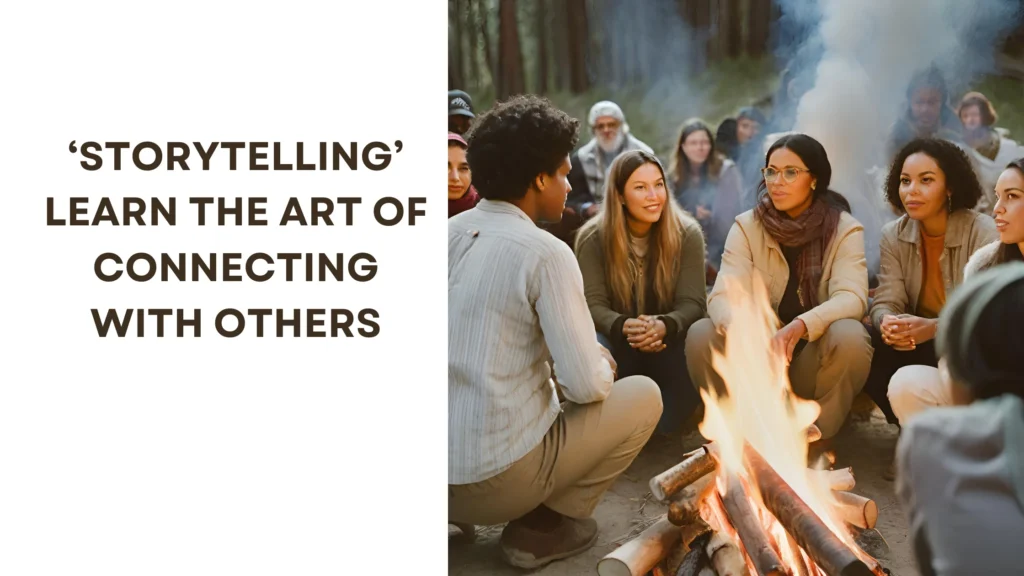
“Storytelling Is Your Secret Weapon for Persuasion and Influence”
Once upon a time, there lived ‘Someone’ who taught people how to laugh, cry, and feel the pain of others. ‘Someone’ led others on the path of self-discovery, and everyone felt as if they were in others’ shoes; it was as if they were facing what everyone was facing. ‘Someone’ didn’t do any magic; it just stirred their heart with the right amount of emotions, a pinch of sensitivity, a quarter spoon of love, and a dash of compassion. You might wonder about the name; ‘Someone’ was called “Empathy”.
“Could a greater miracle take place than for us to look through each other’s eyes for an instant?”
— Henry David Thoreau
The world is going at a pace where it is impossible to catch up on everything and everyone. If we try to sit down, relax, and start listening to others, we may be left behind. So, we find it difficult to listen to others and that is responsible for an insensitive world.
Do you remember when we were kids and did something stupid and acted selfishly? We were told a story of compassion. When we were frightened or chickened out, we were told a story of bravery. It always worked out, at least for that moment.
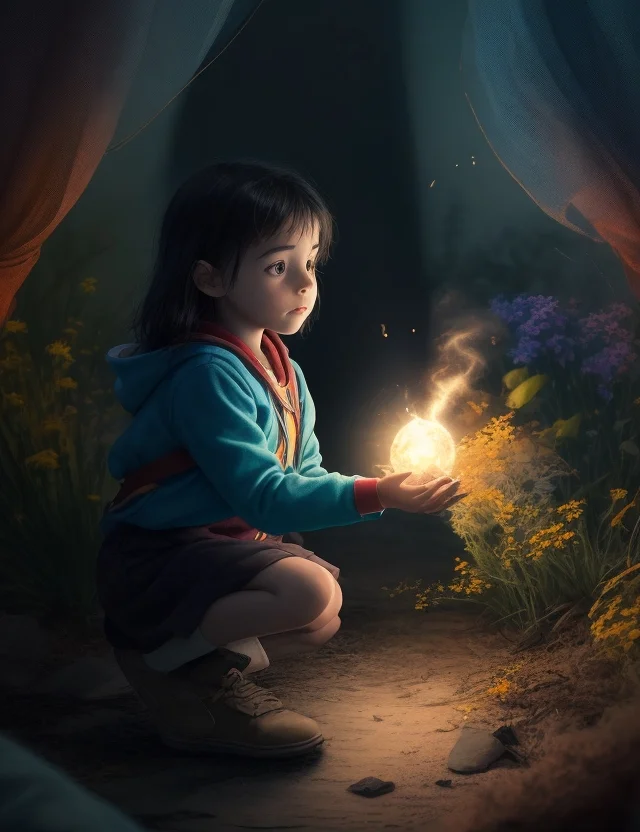
Stories have always helped calm a turbulent child. Teachers mostly choose stories to help their students remember their lessons a little longer. While we may associate the benefits of storytelling with kids, it helps to improve the emotional quotient for everyone.
Conduit the Gap
Stories are often considered fictional and far from reality. Stories take us either to a wonderful world or to a haunted mansion. It leads the listener to feel and visualize the same without having actually lived through the same.
Storytelling creates an imaginary world that seems to be real; listeners experience the same dilemma or certainty; they come up with a similar situation in mind and how they would have done similarly or differently had they been in the story.
Fiction is not the prerequisite of a great story; everyone has a story to tell. In fact, some of the most engaging stories are from our own experiences. Everyone is a storyteller, and if you want to connect with others, try the story connection.
O-C-D of Storytelling
Storytelling has the incredible ability to activate listeners’ brains. When we feel deeply connected with the characters, there is a strong sense of empathy due to the presence of the ‘Oxytocin‘ hormone in the brain. It helps us to feel like the character, not for the character.

A story has a lot of information to process; there are details or points that our mind needs to catalog and remember. Cortisol comes into action and helps the listeners pay attention and formulate memories. It also assists in keeping the listener focused when something is distressing or threatening in the story.
The story further proceeds with hooks, twists, and turns, and sometimes there is a cliffhanger. It keeps the listener or reader on the edge of their seat.
Dopamine is responsible for keeping our interest in a story for its twists and turns and mysterious plot.
Storytelling is an excellent way to exchange ideas, motivate, teach, influence, persuade, or share experiences. Narrating a story and listening to others nourish us to remember and integrate the learning.
“Tell me and I forget. Teach me and I may remember. Involve me and I learn.”
– Benjamin Franklin
If Storytelling is an Art, learn the Subtlety
While we discuss the importance of stories, an important question arises: “How do you tell a story and captivate the learner or listener”?
Storytelling can be challenging; you have to create scenarios, engage the listeners, and, most importantly, send the message. However, it requires a few things to consider if you are teaching or keeping your listeners’ attention through storytelling.

Know the ABC of storytelling: Any-Body- Can narrate a compelling story; you only need some ideas and a mind map. Storytelling will not only help you become a skilled orator, but it will also come in handy in every part of your life.
- A good storyteller accentuates the manner in which they tell a story. The tone, pitch, and pace should tune with the plot of the story. Try to sound as enthusiastic as you can for a better performance, especially if the audience is kids.
- Stories engage both the logical left and emotional right sides of the brain. Whether you are taking refuge in fiction or reality, both sides of the brain should agree with the narration. It helps you get an adequate response.
- Using role-play to teach young learners or adults increases their active participation in learning any activity. Unlike kids, adults learn better when they are given a problem to solve.
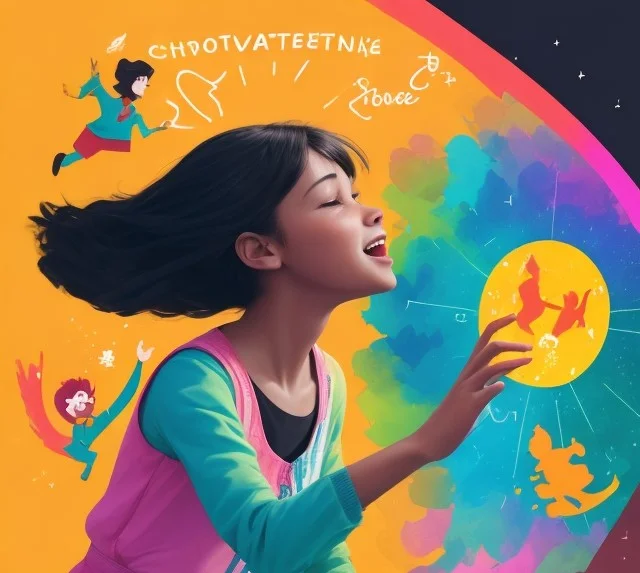
Roleplay is also a form of storytelling; it integrates the mind into a real-life situation, and the participant comes up with the best possible solution.
- Learn the three Es of storytelling: Engaging, Entertaining, and Educating. It doesn’t matter if you narrate a story in a board meeting, training, or kindergarten; your storytelling should follow these three Es.
It should engage the listeners, entertain them, and, above all, educate them. An effective story has all of the above ingredients.
- A narrator should weave the story following a pattern that connects the listeners/readers to the characters in a narrative. Character development is a crucial part of storytelling: if the listener is unable to associate with the characters, likely, they may not pay attention, or adversely, they won’t feel for them.
Storytelling can be the most effective tool in persuasion. When you feel strongly about an idea or an issue, storytelling can put forth your ideas to the listeners. Storytelling will activate them into participating and how they would tackle the situation.
Storytelling is convenient in congealing abstract concepts and abridging complex data. It is not the complexities that make a story great; it is the rhythm, the flow, and the perfect combination of all the factors of a story that makes it enticing.
Let’s start weaving the words together and connect with others. The power of storytelling will bind us together in an invisible chain of empathy and compassion.
These are some of our ways of storytelling, would you follow them? Or do you have some more tips to add? Feel free to share with us, until then.
HAPPY STORYTELLING!
Refer to the Link for Ultimate Guide To Storytelling !